English at Cranborne
Reading:
At Cranborne, we strive to instil genuine love of reading where children read widely. We aim for children to talk articulately and enthusiastically about stories and poetry they have read/heard and information they have acquired.
Books build the foundations of our curriculum. Our overviews have been carefully designed so that all year groups make use of challenging texts to inspire writing and enhance learning in other curriculum areas. As part of our English teaching sequences, children are immersed in texts, throughout all of their lessons and benefit from listening to their teacher read every day.
Reading skills are explicitly taught through whole class reading sessions, three times a week. In these sessions, classes focus on one text/extract at a time. Using the Cracking Comprehension scheme, teachers share various fiction and non-fiction texts as well as poetry. Lessons focus on developing children's comprehension by teaching fluency, vocabulary and inference.
Children in Reception and Key Stage 1 follow the Read Write Inc phonic scheme. Children are sent home with one phonic book every 3 days, a weekly 'reading for pleasure' book and a library book. For more information, please see our 'Phonics' page in Curriculum for more information.
Children can also practise their reading individually using our library and Accelerated Reader resource. This is an interactive app that quizzes children on their own reading book using multiple choice questions.
How can you support your child?
- Listen to your child read aloud at home as much as possible
- Discuss their predictions based on the front cover or what they have read
- If your child is finding it tricky to read a work, encourage them to sound it out using a range of strategies (phonics, breaking it into syllables, looking at the root word or reading it in context)
- Encourage them to read with expression and take note of punctuation. For example, pausing and stopping at commas and full stops, emphasising words that are written in bold or in capital letters, using intonation when reading questions or exclamations
- Encourage your child to re-read phrases, sentences and even paragraphs for meaning
- Pick out interesting or unfamiliar vocabulary and discuss meaning - look at other words that are similar in meaning (these are called synonyms)
- Discuss opinions about a particular event or situation that has happened in the text
- Ask how they feel or what impression they get of a character and encourage them to explain why - what did it say in the text
- Encourage children to read non-fiction texts (newspapers, magazines etc) and poetry as well as fiction texts
- Ask your child to summarise what they have read in their own words
Home reading
Year 1/2 recommended reads
Year 3/4 recommended reads
Year 5/6 recommended reads
Writing and Grammar:
Writing and grammar is taught through a sequence of lessons, divided into three phases. These aim to motivate our children to write to the best of their ability. Lessons follow the HfL teaching sequence for writing and provide our children with ample opportunities to explore wonderful texts that they use as inspiration for their own writing. Writing outcomes vary, allowing children to explore all genres and text-types so that they can write effectively for a range of purposes and audiences.
Phase one - Children are introduced to a core text that they enjoy and work together to understand as a class. The children dive into the book through engaging activities (such as drama, role-play, debates ) which hook them from the start. They work together to predict, retrieve, summarise, and infer information from a text while acquiring new vocabulary as well as a genuine interest in reading.
Phase two - Using their core text as a stimulus, children practice grammar that they will use in their own writing. For example. when working towards writing a newspaper report children will learn the importance of formal language, alternative verbs and parenthesis and practise these in their English lessons.
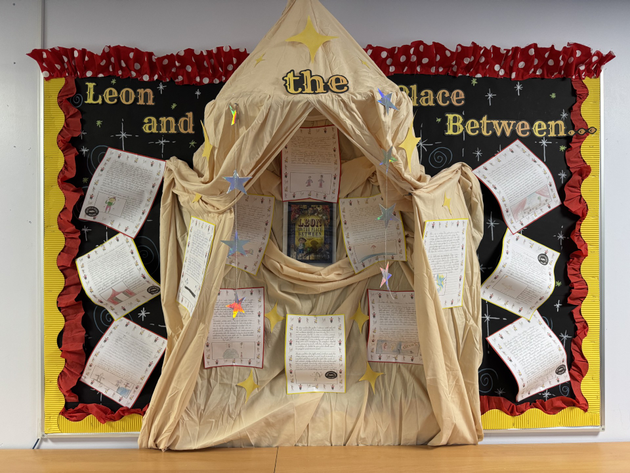
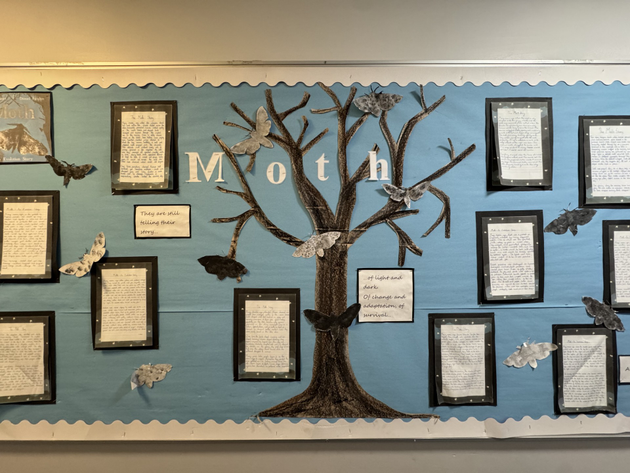
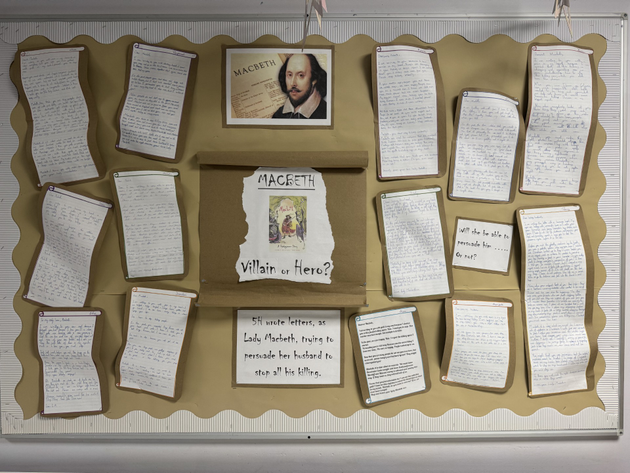
Phase three - In this final phase, children draw on the skills and techniques they have learned in phase two to plan, write and edit their own piece of writing. They are then given time to publish their work which is displayed in and around school as well as in a class book.
In addition to the grammar taught throughout our writing sequences, children have one separate SPAG session each week. The focus here is on spelling rules and year group specific grammar.
The document below has made created to help parents/carers to support children with their writing. It outlines year group specific terminology with explanations and examples for each.
The books that each eyar group will read, can be found on their year group page.
Cranborne grammar support document
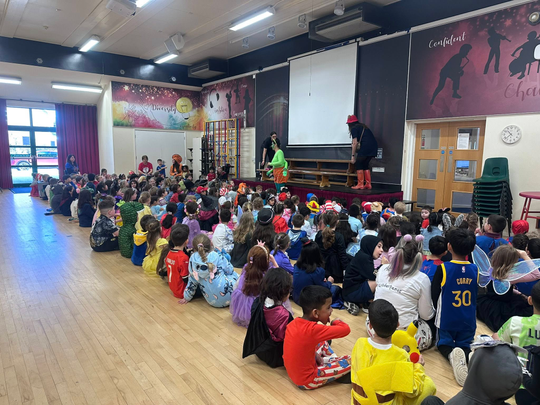
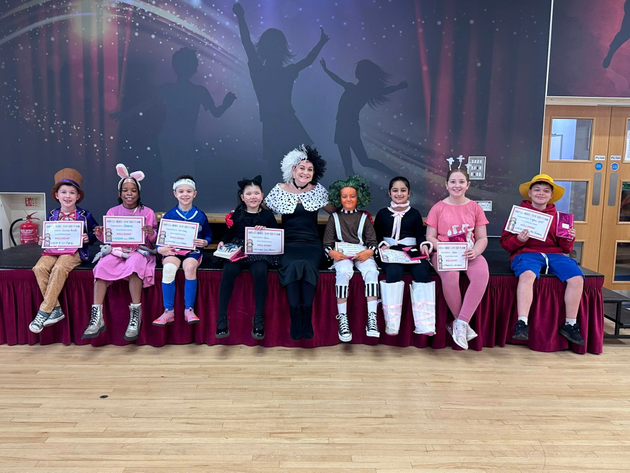
World Book Day
Spelling:
We believe spelling is more than just a test; it is important for children to use and apply their spelling words in order for them to be learnt successfully.
Throughout the school, in class, children are taught spelling patterns and rules using the Read Write Inc. spelling programme to ensure consistency in approaches from EYFS to Year 6.
Additionally, children learn year group specific spelling words. These are statutory words from the National Curriculum, that must be learnt by the end of Year 6. These words often do not follow a particular pattern or rule; therefore, they can be difficult to remember. In order to help the children use and remember these words long term, spellings sent home to learn are linked with core texts studied in Phase one of the teaching sequence for writing. This means the children better understand unfamiliar words and can apply them appropriately and effectively in their writing.
Year 1/2 Common Exception Words
Year 3/4 Statutory Spellings
Year 5/6 Statutory Spellings